LogosCat Games

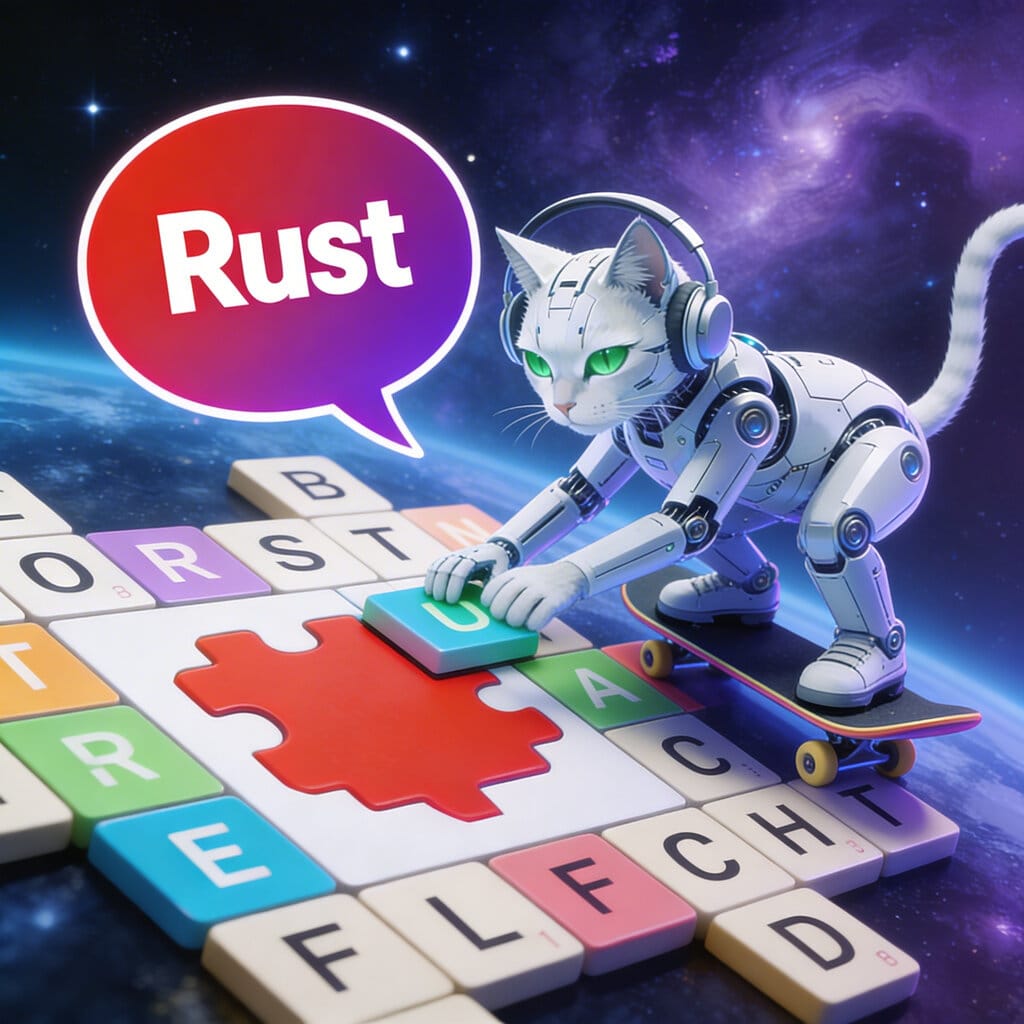
Access to games is available from the Recap page if you marked some words as hard during the work session. The games focus on memorizing those hard words in different contexts.
When you learn a language—or dig deeper into your own—memory is rarely about cramming lists. It is about meeting the same words again in situations that feel real. Our games turn that idea into something you can do in a few minutes: short, text-based challenges built around the words and passages you are already working with.
Behind the scenes, the experience is powered by a dedicated game engine written in Rust—chosen for reliability and speed so sessions stay smooth even as the puzzles and feedback grow richer. What you see on the page, though, is simple: language, focus, and a clear goal.
What these games feel like
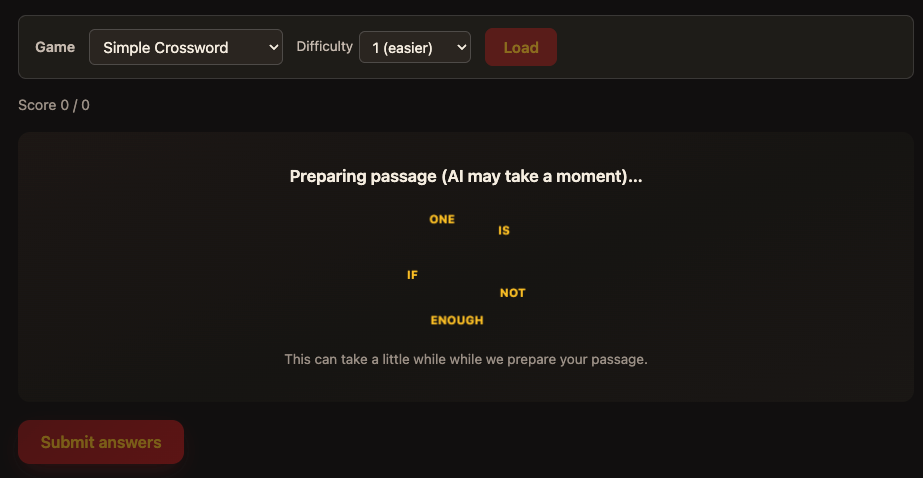
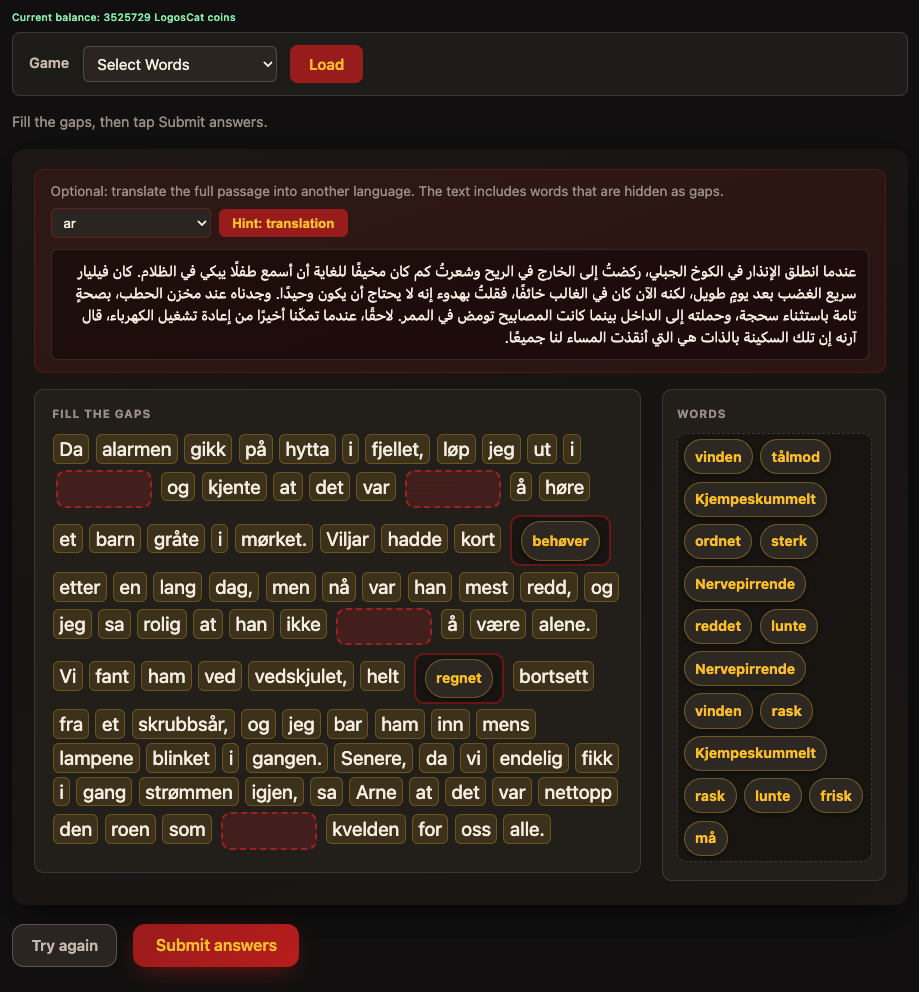
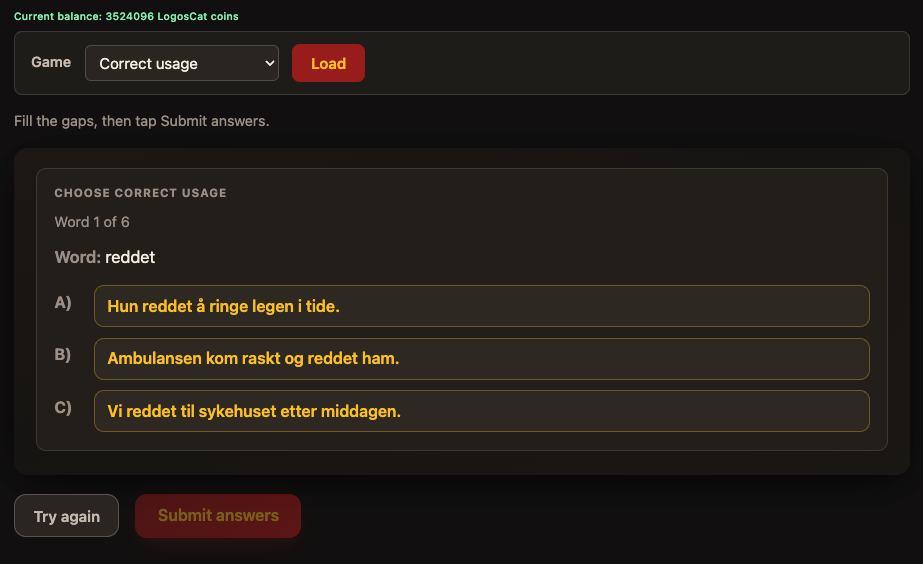
Think of a textual game as a conversation with a page of text—not a video game with controllers, but words you read, choose, or complete. You might fill gaps in a passage, work with words you have marked as “hard,” or get a gentle nudge when you need a hint. The screen stays calm; the thinking does the work.
That matters for learners who already spend their day in articles, stories, and subtitles. The game does not replace reading—it anchors reading to something active.
Why text can be surprisingly good for memory
1. Active recall
Passively rereading often feels productive but fades quickly. When the game asks you to supply a word or choose among options, you pull the answer from memory. That small effort—retrieval—is one of the strongest drivers of long-term retention.
2. Context, not isolation
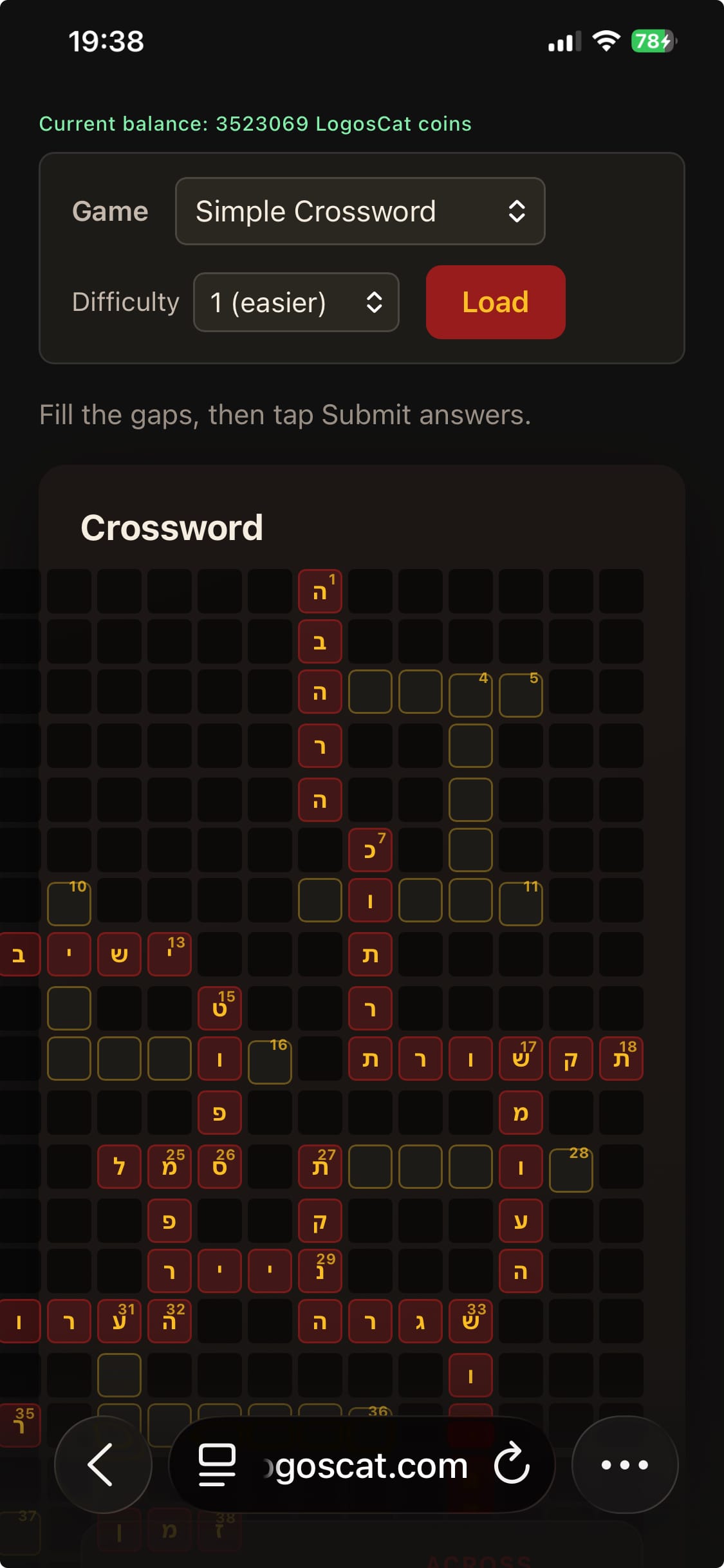
Words stick better when they live in a sentence or story than on a flashcard alone. Textual games keep you inside meaning: grammar, tone, and collocations show up naturally, so your brain stores “how this word is used,” not only “what it translates to.”
3. Focused repetition without boredom
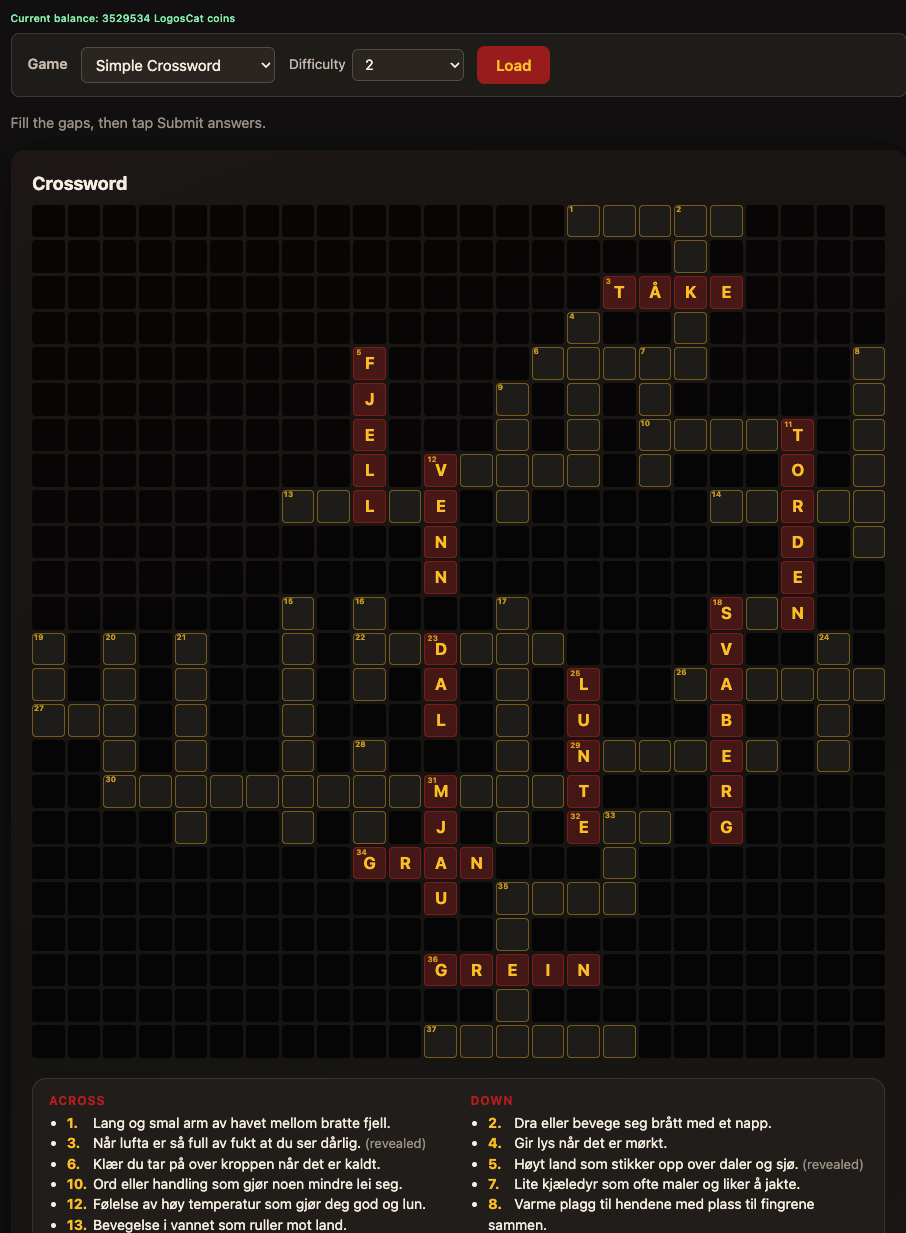
The same idea can be practiced in slightly different forms (gap-fill, review, hints)—enough variety to stay engaged, enough overlap to strengthen the same memory traces. That variety mimics how we encounter vocabulary in real life: never exactly the same twice.
4. Lower cognitive load
Without heavy graphics or complex controls, more of your attention goes to the language itself. For many adults, that simplicity makes it easier to stay in a “study flow” for short, repeatable sessions—which is ideal for memory.
5. Habits beat heroics
Short text games fit between meetings or commutes. Regular, modest practice beats occasional marathons for vocabulary. The engine is built to make those sessions feel quick and dependable so the habit is easier to keep.